
How to Build an Emergency Fund (Even When Money Is Tight)
Life has a way of throwing surprises at the worst possible times. The car breaks down the week after a big expense. A medical bill shows up out of nowhere. Your hours get cut at work. These moments are stressful enough on their own, but without a financial cushion, they can turn into full-blown crises.
An emergency fund changes all of that. It gives you options when something goes wrong, and it takes an enormous amount of pressure off your daily life. The good news? You do not need a high income to build one. You need a simple system and a starting point.
This guide will walk you through exactly how to get there.
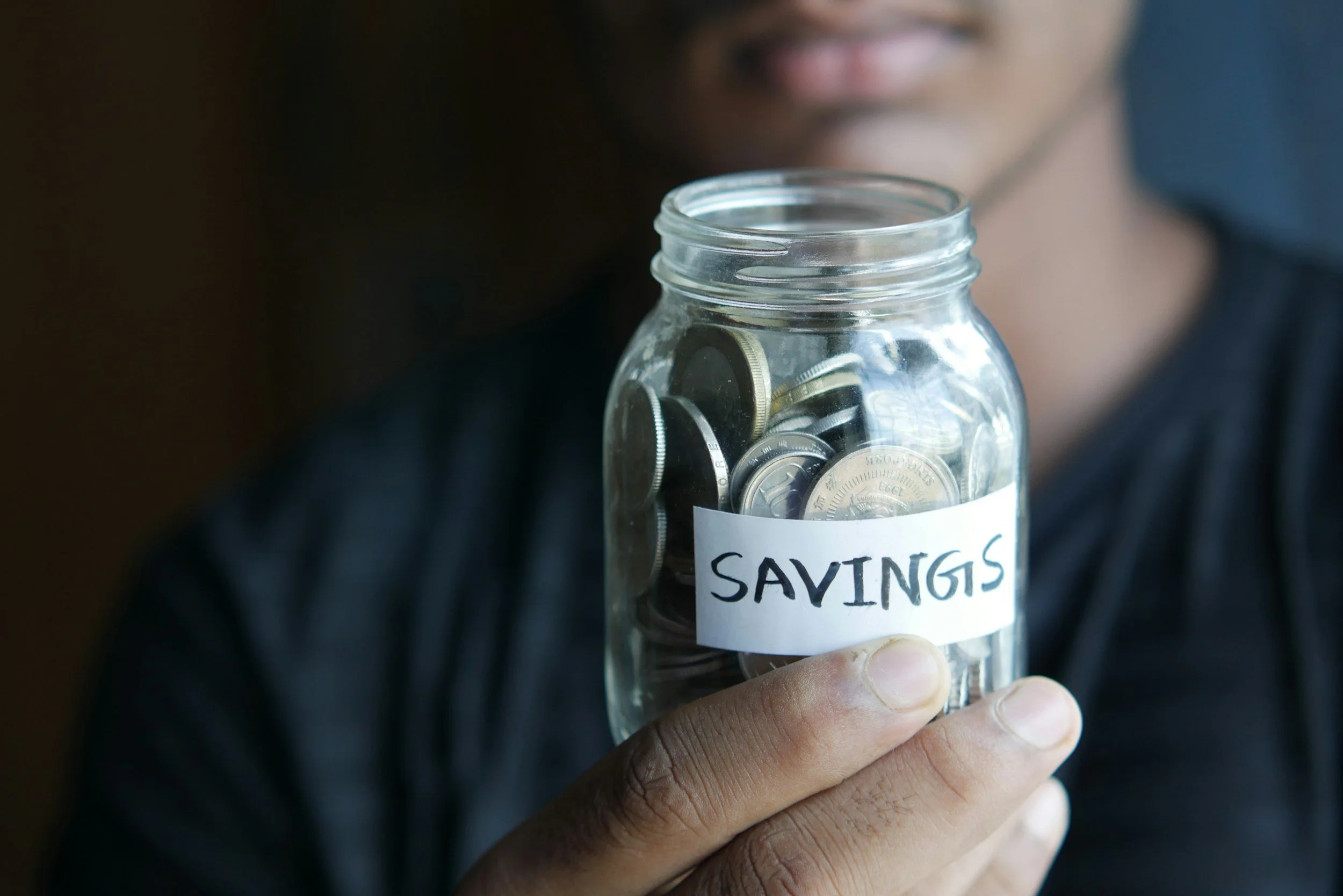
What an Emergency Fund Actually Is (and What It Is Not)
An emergency fund is money set aside specifically for unexpected, necessary expenses. Think job loss, medical emergencies, major car repairs, or a broken appliance you rely on every day.
It is not a vacation fund. It is not a shopping buffer. It is not a rainy-day account for things you could plan ahead for. Its one job is to protect you when life gets unpredictable.
The reason this distinction matters is that keeping it mentally separate from your other savings helps you protect it. When the money has a clear purpose, you are less likely to dip into it for things that feel urgent but are not true emergencies.
How Much Do You Actually Need?
The standard guidance is three to six months of essential living expenses. That includes rent or mortgage, utilities, food, transportation, insurance, and minimum debt payments. Nothing extra. Just the baseline costs that keep your life running.
If you are a single-income household, a freelancer, or someone whose income varies month to month, aim for the higher end. Six months gives you more runway if something major happens.
For most people, that number feels completely out of reach at first. That is okay. The goal is not to have a fully funded emergency fund by next month. The goal is to start moving in the right direction today.
Your first milestone? One thousand dollars. That single number covers the vast majority of real-life emergencies and completely changes your financial stress level.
Where to Keep Your Emergency Fund
Your emergency fund needs to be accessible but not too accessible. A high-yield savings account is the ideal home for it. You want it separate from your everyday checking account so you are not tempted to spend it, but you also want to be able to access it quickly if a real emergency hits.
What you do not want is to invest your emergency fund in the stock market. Markets go up and down, and the last thing you need is to pull your emergency money out during a downturn and lose a chunk of it. Keep it safe, keep it liquid, and let it earn a little interest while it sits there.
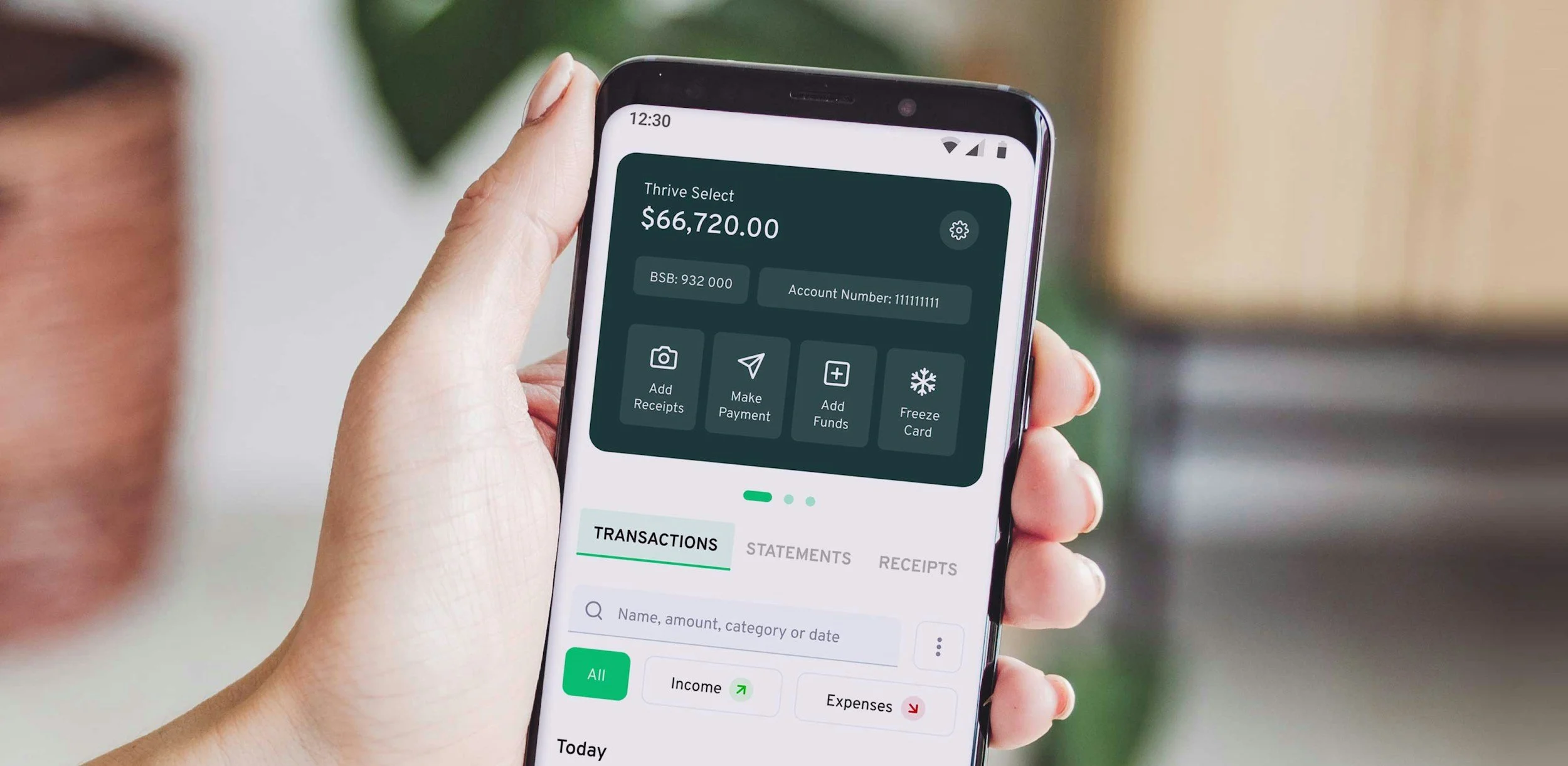
How to Start Building Your Emergency Fund Right Now
Here is where most people get stuck. They know they should have an emergency fund, but they cannot figure out how to actually fund it when every dollar already has somewhere to go. These steps will help you find the money and build the habit.
Step 1: Open a dedicated account today. Name it something that reinforces its purpose, like "Emergency Only" or "Peace of Mind Fund." The act of opening it makes it real and gives your savings a home before you start adding to it.
Step 2: Set up an automatic transfer. Even if it is twenty-five dollars a week, automation makes saving effortless. You never see the money sitting in your checking account, so you never miss it. Over time, small amounts compound into something meaningful.
Step 3: Direct windfalls here first. Tax refunds, bonuses, birthday cash, any unexpected income should go straight to your emergency fund until it is fully stocked. This is one of the fastest ways to build momentum without changing your regular budget.
Step 4: Find one small cut or one small income boost. You do not need to overhaul your entire life. One subscription you forgot about. One meal out you skip this week. Ten dollars a week adds up to over five hundred dollars in a year.
What to Do When You Dip Into It
Using your emergency fund for an actual emergency is not a failure. That is exactly what it is there for. What matters most is what happens next.
As soon as you use it, make rebuilding it your top financial priority. Treat it like a debt you owe yourself. Set up a temporary increase in your automatic transfer, redirect the next windfall to it, and get back to your baseline as quickly as you can.
The habit of restoring what you take is just as important as building it in the first place. It reinforces the mindset that this fund is non-negotiable, not optional.
Coach's Tip: Treat your emergency fund contribution like a bill. Put it on the calendar, automate it, and do not negotiate with yourself about whether to skip it this month. The months when it feels hardest to save are often the months you need the habit most.
The Bigger Picture: Why This Changes Everything
An emergency fund is more than just money in a savings account. It is the foundation that makes every other financial goal possible.
When you do not have one, every unexpected expense goes on a credit card, drains your investments, or derails your budget for weeks. You stay stuck in a cycle of financial recovery instead of financial progress.
When you do have one, you make calmer decisions. You take better risks. You do not panic when life throws something at you. You stop living in a state of low-grade financial anxiety and start actually building toward the life you want.
This is Phase 2 in the FirstStep Financials framework. It comes right after getting your spending aligned and right before accelerating your wealth. It is not glamorous, but it is one of the most powerful financial moves you will ever make.
Quick Win: Open a separate high-yield savings account today and transfer five dollars into it. Name it your emergency fund. You have officially started. That is the only goal for today.

You Do Not Need to Be Wealthy to Build Wealth Security
A lot of people put off building an emergency fund because they feel like they need to get their finances perfectly in order first. They want to pay off more debt, earn more money, or find the perfect savings app before they start.
But the emergency fund is not the reward for getting your finances right. It is the tool that helps you get there. You build it imperfectly, at whatever pace you can manage, and you grow it over time.
Start with what you have. Automate what you can. Protect it like it matters, because it does.
Ready to Build Your Financial Foundation?
FirstStep Financials has free tools to help you take the next step with confidence. Download the free net worth statement, budget template, and amortization schedule to get a clear picture of where you stand today. Or, if you want a personalized plan built around your income, your goals, and your life, book a free discovery call. We will map out exactly where you are and what your next steps look like.
Build Habits. Grow Wealth. Live Well.